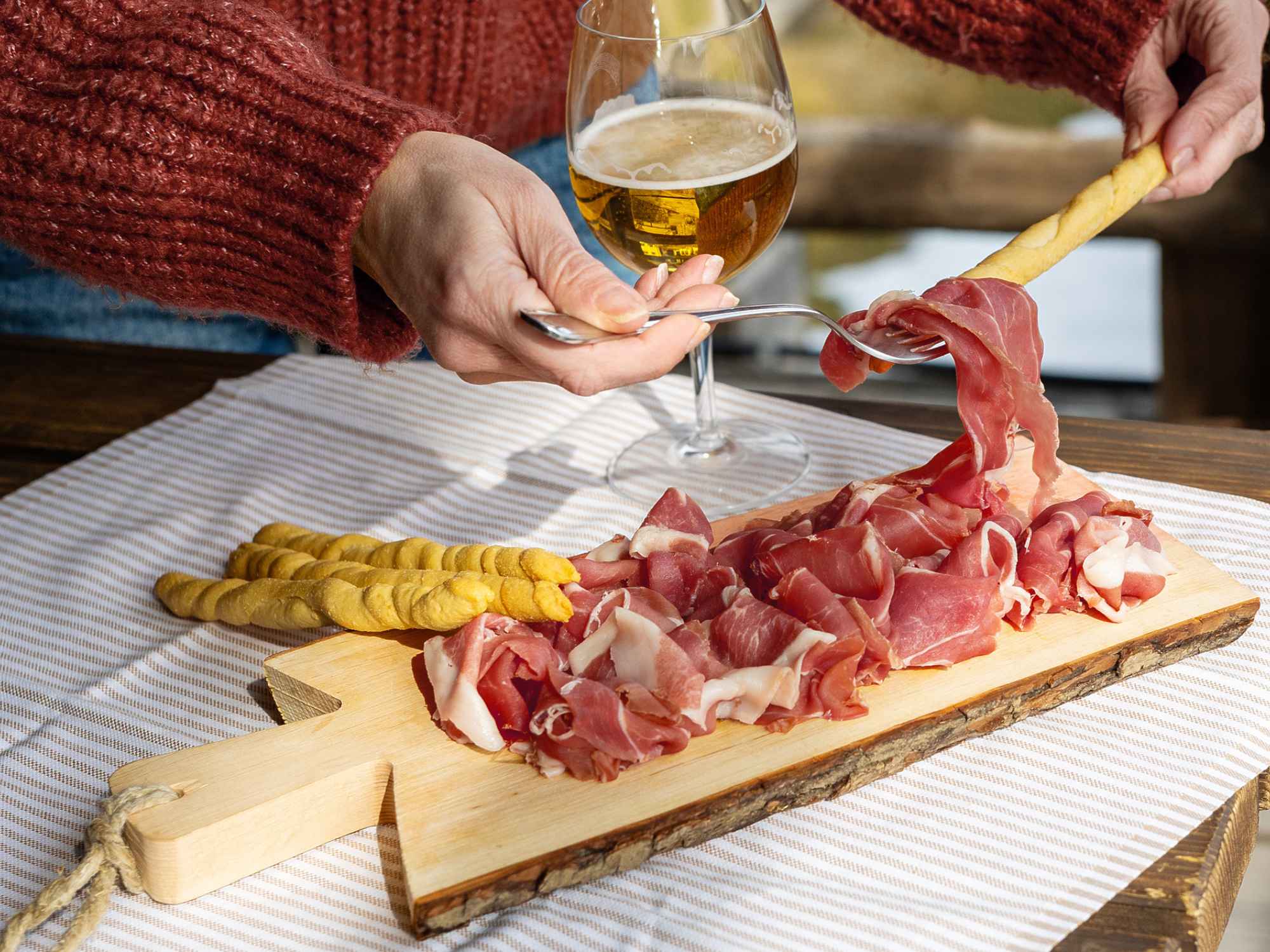
San Daniele Ham: Discover Its Ancient Italian Origin
Have you ever wondered where San Daniele ham comes from and what makes it so special? This exquisite delicacy originates from the hills of Friuli-Venezia Giulia, in northeastern Italy, where tradition and nature come together to create something truly unique. The story of San Daniele ham stretches back thousands of years, rooted in ancient Celtic settlements and refined through centuries of Italian craftsmanship. What sets this ham apart isn’t just the careful production process, but the extraordinary microclimate of San Daniele del Friuli—a small town where Alpine winds meet Adriatic breezes, creating perfect conditions for curing. If you’re planning a vacation in this beautiful region, understanding the origin of San Daniele ham adds a delicious layer to your Italian experience. From the first salting to the final aging, every step tells a story of dedication, passion, and respect for authentic flavors that have delighted palates for generations.
The ancient roots of San Daniele ham in Friuli-Venezia Giulia
Nestled in the rolling hills of northeastern Italy, the municipality of San Daniele del Friuli has been the birthplace of one of the world’s most celebrated cured meats for millennia. But what makes this small town so special? The answer lies deep in history. Archaeological evidence reveals that pig farming in this area dates back thousands of years, when ancient Celtic populations first settled in the Friuli region. These early inhabitants weren’t just farmers—they were innovators who understood the value of breeding pigs specifically for meat production.
The Celts established the agricultural foundation that would eventually give rise to San Daniele ham, creating breeding practices and land management techniques that respected the natural environment. The territory itself offered everything needed: lush pastures, clean water from mountain streams, and a geography that naturally protected livestock. Over centuries, local communities refined their knowledge, passing down techniques from generation to generation. This wasn’t industrial production—it was artisanal craft rooted in respect for animals, land, and tradition. The origin of San Daniele ham is inseparable from the people who called this region home, making it not just a food product but a living testament to human ingenuity and cultural continuity.
Why the microclimate of San Daniele del Friuli makes all the difference
Have you ever considered how weather and geography can transform raw ingredients into culinary masterpieces? In San Daniele del Friuli, nature itself acts as the master craftsman. This small municipality, covering just thirty-five square kilometers at an elevation of two hundred fifty-two meters above sea level, enjoys a microclimate that cannot be replicated anywhere else. Cold Alpine winds descend from the north, carrying fresh mountain air, while warm, gentle breezes sweep inland from the Adriatic Sea to the south. These two air currents meet precisely in San Daniele, creating a unique atmospheric balance. Add to this the moderating influence of the Tagliamento River, which flows nearby and regulates humidity levels, and you have the perfect natural curing chamber. This climatic phenomenon isn’t just folklore—it’s science. The consistent air circulation prevents excessive moisture while maintaining just enough humidity to allow the ham to age slowly and evenly. Temperature fluctuations remain gentle, never shocking the meat with extreme heat or cold. This delicate environmental balance allows the ham to develop its characteristic sweetness and delicate texture naturally, without artificial climate control. When you taste San Daniele ham, you’re experiencing the result of geography, meteorology, and centuries of observation working in perfect harmony.
From Celtic traditions to Roman refinement: a journey through time
The story of San Daniele ham reads like an epic journey through Italian history. When Celtic tribes established themselves in Friuli centuries before the common era, they brought with them advanced knowledge of animal husbandry and meat preservation. These weren’t primitive techniques—Celtic methods were sophisticated, involving careful selection of breeding stock and strategic use of salt and natural conditions for preservation. When the Roman Empire expanded into northeastern Italy, they didn’t discard these traditions but rather enhanced them. Roman agricultural organization brought structure and efficiency, while their culinary culture elevated cured pork to new heights of prestige. Pork became a cornerstone of the Roman diet, and preservation methods evolved to meet growing demand. The Romans understood that the Friuli region’s climate offered distinct advantages for curing, and they documented these techniques meticulously. Through medieval times, San Daniele ham gained legendary status, gracing the tables of Venetian Doges, French nobles, and Austrian royalty. Historical records mention shipments sent to important religious gatherings, where prelates from across Europe savored this delicacy. Each era added layers of knowledge and prestige, transforming a local specialty into an internationally recognized symbol of Italian gastronomic excellence.
How San Daniele ham is crafted: the authentic production process
What transforms a fresh pork leg into the sublime San Daniele ham you might enjoy during your Italian vacation? The process is both simple and extraordinarily precise, requiring patience and expertise. It begins with careful selection—only fresh legs from Italian heavy pigs, raised in ten designated regions across northern and central Italy, qualify for production. Once selected, each leg undergoes salting, with the duration calculated at one day per kilogram of weight.
This isn’t rushed; the salt must penetrate evenly and naturally. Next comes pressing, which gives San Daniele ham its distinctive flattened, guitar-like shape—a visual signature that sets it apart from other Italian hams. After pressing, the legs are carefully washed to remove excess salt, then dried in controlled conditions. The surface is then greased with a mixture that protects the meat while allowing it to breathe. But the real magic happens during maturation, which lasts a minimum of thirteen months.
During this extended aging period, the ham undergoes natural biochemical transformations: proteins break down into amino acids, fats develop complex flavors, and moisture gradually evaporates, concentrating taste and aroma. Small white crystals of tyrosine often appear in well-aged hams—these aren’t defects but rather badges of honor, indicating proper aging and quality. Every step respects tradition while meeting rigorous modern food safety standards.
Protected designation of origin: what makes this ham truly unique
When you see the fire-branded logo on a leg of San Daniele ham, you’re looking at more than a trademark—you’re seeing a guarantee of authenticity and tradition. The Protected Designation of Origin status, known as PDO, ensures that every ham bearing the San Daniele name meets strict production standards and comes exclusively from the designated geographic area.
This isn’t marketing—it’s legal protection rooted in European Union regulations that safeguard traditional foods. The Consortium for Prosciutto di San Daniele, which has overseen production for decades, verifies every stage of the process, from pig selection to final aging. Why does this matter to you as a traveler or food lover? Because PDO certification means you’re getting the real thing, not an imitation.
The sweet, delicate flavor that makes San Daniele ham famous comes from this exact combination of location, climate, ingredients, and technique. No shortcuts, no substitutions, no compromises. Each ham represents a small piece of Italian cultural heritage, protected and preserved so that future generations can experience the same authentic taste. When you visit Friuli-Venezia Giulia and taste this extraordinary product, you’re participating in a tradition that connects past and present, honoring the wisdom of ancient producers while enjoying the fruits of their legacy.
Experience authentic Italian flavors during your stay at Hotel Astoria
Understanding the origin of San Daniele ham enriches your appreciation of Italian culinary heritage, but nothing compares to tasting authentic regional specialties in their homeland. When you visit Bibione and the surrounding Friuli-Venezia Giulia region, you’re stepping into a world where food traditions run deep and every meal tells a story. At Hotel Astoria, we believe that a true vacation experience includes discovering genuine local flavors prepared with care and passion. Our kitchen celebrates the culinary treasures of northeastern Italy, offering dishes that honor tradition while satisfying modern palates. Whether you’re traveling as a family, as a couple, or with your four-legged companion, you’ll find a welcoming atmosphere where comfort meets authenticity. Just steps from the sea and Piazza Fontana, our family-run hotel has been creating memorable stays for over seven decades. Ready to taste the real flavors of Italy? Discover our restaurant and let us welcome you like family, sharing the warmth and genuine hospitality that keeps our guests returning year after year.