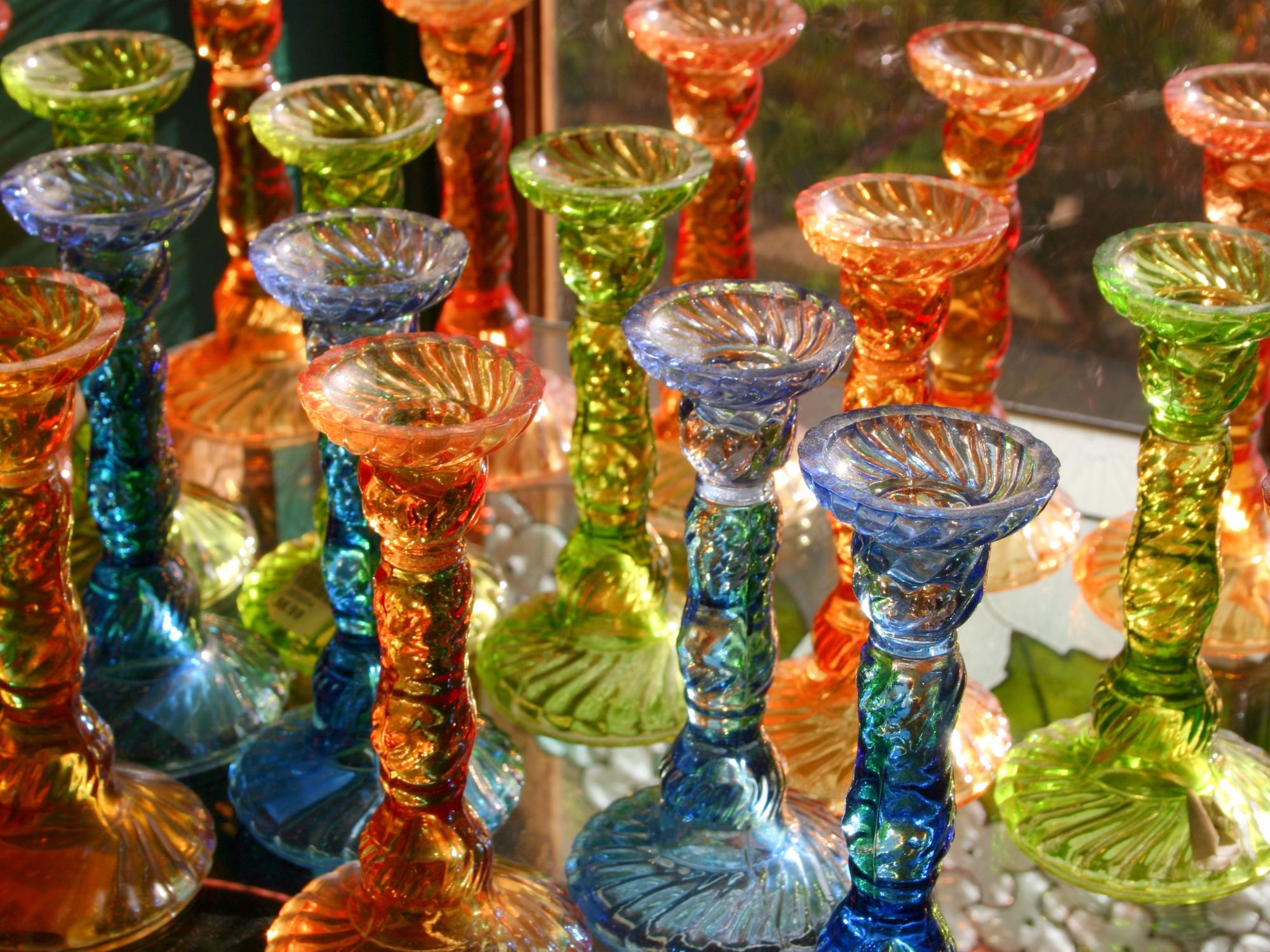
Murano glass: discover timeless artisan objects & techniques
Have you ever held a piece of Murano glass and wondered about the centuries of tradition captured within its delicate form? These extraordinary objects represent far more than simple decorative items—they embody an artistic heritage that has been carefully preserved and passed down through generations of master craftsmen. Murano glass objects have captivated collectors and art enthusiasts worldwide with their brilliant colors, intricate patterns, and exceptional quality that remains unmatched in the world of glassmaking.
The island of Murano, nestled in the Venetian lagoon, has been the beating heart of artistic glass production for over seven centuries. Here, ancient techniques meet contemporary creativity, producing everything from elegant vases and sculptural pieces to functional objects that transform everyday spaces into galleries of light and color. Whether you’re planning a visit to Venice or simply appreciate fine craftsmanship, understanding the artistry behind Murano glass enriches your appreciation of these timeless treasures.
The origins of Murano’s glassmaking tradition
Why did an entire industry relocate to a small island in the Venetian lagoon? The answer lies in a decisive government decree that transformed Murano into the epicenter of glass artistry. Venetian authorities mandated the transfer of all glass furnaces from the main city to Murano, primarily to prevent devastating fires that threatened the wooden structures of Venice. Yet this practical decision had an unexpected benefit: it allowed the Republic to guard the precious secrets of glassmaking more effectively, turning the island into a protected hub of innovation and craftsmanship.
The roots of Venetian glassmaking stretch back to Roman times, when craftsmen produced molded glass for thermal baths and architectural features. As centuries passed, artisans from Aquileia, the Middle East, and Byzantium brought their knowledge to the lagoon, enriching local techniques with diverse influences. This cultural exchange laid the foundation for what would become an unparalleled tradition. Murano’s golden age saw masters perfecting cristallo, a remarkably transparent glass that rivaled natural rock crystal in clarity and brilliance. This breakthrough elevated Murano glass objects from functional items to coveted works of art, sought after by nobility and collectors across Europe.
Essential techniques that define Murano glass objects
What makes a piece of Murano glass instantly recognizable? The answer lies in the specialized techniques that have been refined over generations, each requiring years of apprenticeship to master. These methods are not merely technical procedures—they represent a living dialogue between artisan and material, where timing, temperature, and intuition must align perfectly.
The sommerso technique creates stunning depth by layering colored glass within transparent or contrasting layers. Imagine a vibrant core submerged beneath crystal-clear glass, with each layer visible as light passes through—this stratification produces objects with extraordinary visual complexity. Another distinctive approach is calcedonio, which mimics the appearance of natural marble and semiprecious stones. By blending metallic oxides into molten glass, craftsmen achieve irregular veining and color gradations that make each piece unique, as unpredictable as the geological formations they emulate.
The revival of ancient Roman mosaic techniques led to innovations like murrine, where multicolored glass canes are sliced to reveal intricate cross-sectional patterns—floral motifs, geometric designs, or abstract compositions. These tiny sections are then arranged on a glass base and fused together, creating surfaces that shimmer with kaleidoscopic detail. Each technique demands not only skill but profound understanding of how glass behaves at different temperatures and stages of cooling.
Blown glass and the art of shaping molten beauty
Have you ever watched a master glassblower transform a glowing mass into an elegant form? The process unfolds with mesmerizing speed and precision. Using a hollow blowing rod, the craftsman gathers molten glass from the furnace, then begins a carefully choreographed series of movements—rotating, blowing, shaping—all while the material remains at optimal working temperature. There’s no room for hesitation; glass cools rapidly, and every second counts.
The addition of metallic compounds during this process introduces the brilliant colors that characterize Murano glass objects. Cobalt produces deep blues, copper creates rich reds and greens, iron yields amber tones, and lead contributes to particular optical qualities. These colorants must be added at precisely the right moment and in exact proportions, as even slight variations alter the final result. Additional glass masses may be applied to create handles, decorative elements, or structural reinforcements, each requiring seamless integration with the main body.
After shaping, the object enters a controlled cooling phase in a tempering furnace, where gradual temperature reduction prevents thermal stress that could cause cracking. This annealing process is as critical as the creative work itself—rush it, and days of skilled labor shatter into fragments. The blown glass tradition represents the foundation upon which all other Murano techniques build, a testament to human ability to command one of nature’s most unforgiving materials.
Decorative methods: from millefiori to lattimo
What transforms functional glassware into museum-worthy art? The decorative techniques developed in Murano workshops answer this question with breathtaking variety. Millefiori, meaning “thousand flowers,” employs thin rods of multicolored glass arranged in bundles, then heated and stretched into long canes. When sliced crosswise, each section reveals an intricate pattern—a miniature garden of color frozen in glass. These slices are meticulously positioned and fused onto vessels, creating surfaces that dazzle with chromatic richness.
Equally remarkable is lattimo, an opaque white glass developed to compete with the porcelain treasures arriving from distant lands. Its milky appearance, achieved through specific mineral additions, offered Venetian craftsmen a canvas for new creative possibilities. Lattimo could stand alone or combine with transparent glass to create striking contrasts. Related to this is filigrana or latticino work, where ultra-thin threads of white or colored glass are embedded within clear crystal, forming parallel bands or complex interwoven patterns. This technique demands extraordinary precision—the slightest misalignment becomes permanently visible.
Diamond-point engraving brought yet another dimension to Murano glass objects, with artisans etching delicate lace-like patterns onto finished surfaces. The Venetian mirrors that graced European palaces often featured gold leaf inclusions and elaborate engraved borders, combining multiple techniques into singular masterpieces. Each decorative method represents not just aesthetic choice but technical challenge, pushing the boundaries of what glass can express.
Why Murano glass remains a symbol of Venetian excellence
After centuries of evolution, why does Murano glass continue to captivate contemporary audiences? The answer intertwines tradition with innovation, heritage with creativity. While the island experienced periods of decline—particularly when political upheavals disrupted guild structures and economic networks—the essential knowledge survived, preserved by families who refused to abandon their ancestral craft. This resilience ensured that when renewed interest emerged, the techniques remained intact, ready to inspire new generations.
Today’s Murano artisans honor historical methods while exploring modern forms and applications. The same blown glass technique that produced Renaissance goblets now shapes contemporary sculptures and architectural installations. Sommerso layering appears in bold, minimalist designs that would surprise traditional masters yet employ their exact methods. Murrine mosaics adorn not only decorative vases but also jewelry, lighting fixtures, and commissioned art pieces that bridge past and present.
For visitors to Venice and collectors worldwide, Murano glass objects represent more than beautiful acquisitions—they’re tangible connections to a living tradition. Each piece carries within it the knowledge of countless artisans, the innovations of curious experimenters, and the aesthetic sensibilities of a culture that has always understood beauty as both pursuit and practice. Whether you’re drawn to the technical mastery, the visual splendor, or the historical significance, Murano glass invites you to appreciate craftsmanship at its finest, where human skill transforms sand and fire into enduring art.
Planning your Venetian experience with authentic craftsmanship nearby
Exploring the artistry of Murano glass objects enriches any visit to the Venetian region, offering insights into centuries of creative excellence and technical mastery. As you plan your time discovering these remarkable traditions, consider choosing accommodation that values the same dedication to quality and genuine hospitality that defines Murano’s craftsmen. At Hotel Astoria in Bibione, we understand the importance of authentic experiences—whether you’re admiring hand-blown glass or simply enjoying a relaxing seaside vacation.
Our family-run hotel, just steps from the beach and central Piazza Fontana, provides the perfect base for exploring the treasures of the Venetian lagoon while returning each evening to comfort, warmth, and genuine care. From our welcoming rooms to our international cuisine, every detail reflects our commitment to making your stay memorable. Discover how three generations of hospitality can enhance your journey through this extraordinary corner of Italy. Learn more about our hotel and start planning your authentic Venetian experience today.