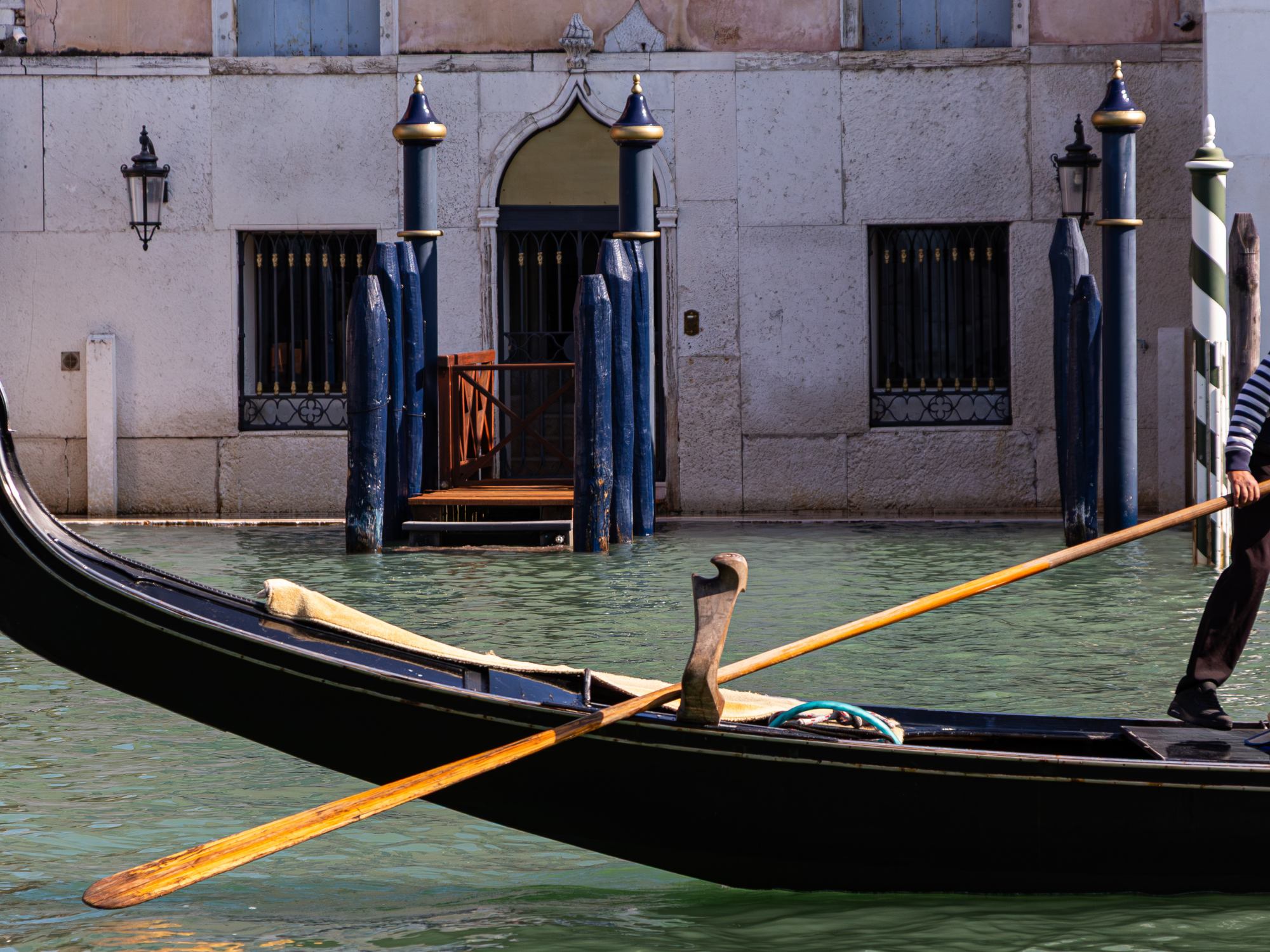
History of the gondola: discover its meaning and origins
When you think of Venice, the image of a sleek, black gondola gliding through narrow canals immediately comes to mind. This iconic flat-bottomed boat has become the universal symbol of the floating city, captivating visitors from around the world. But have you ever wondered about the history behind this elegant vessel? The gondola wasn’t always the refined boat you see today – it began as a simple necessity for navigating the Venetian lagoon when bridges were scarce and water was the primary highway.
Understanding the meaning of gondola and tracing its evolution reveals a fascinating story of innovation, social status, and Venetian ingenuity. From humble origins as basic transport boats to becoming luxurious symbols of wealth, gondolas have witnessed centuries of transformation. Today, while they serve mainly tourists, these remarkable vessels continue to embody the spirit and tradition of Venice, preserving a unique craft that has been perfected over generations.
The ancient roots of Venetian watercraft
Have you ever considered why Venice developed such a unique transportation system? The answer lies in the city’s extraordinary geography. Built across numerous islands in a shallow lagoon, Venice faced a challenge that no other city had encountered. With limited dry land and countless waterways separating neighborhoods, residents needed a practical solution for daily movement. Traditional wheeled vehicles were useless, and constructing bridges everywhere was neither feasible nor affordable.
The earliest Venetian boats emerged from pure necessity. Fishermen and merchants required vessels that could navigate the lagoon’s shallow waters without getting stuck. These primitive craft had flat bottoms that allowed them to glide over sandbanks and mudflats where deeper-hulled boats would run aground. Initially, these vessels were quite basic—some traditions suggest that the very first examples were fashioned from hollowed tree trunks, gradually evolving into more sophisticated wooden constructions.
These early watercraft served multiple purposes: transporting goods between islands, ferrying people to market, and enabling fishermen to reach productive fishing grounds. The lagoon environment shaped every aspect of their design, creating a boat perfectly adapted to its unique setting. This practical beginning laid the foundation for what would eventually become one of the world’s most recognizable boats.
What does gondola actually mean? Exploring the etymology
The word “gondola” itself carries mystery. Despite centuries of use, scholars still debate its true origins. Where did this distinctive name come from? Several theories compete for acceptance, each offering a plausible explanation rooted in ancient languages.
The most widely accepted theory traces the term to the Latin word cymbula, meaning “small boat” or “little vessel.” This explanation makes logical sense given Venice’s historical connections to Roman culture and language. Another compelling hypothesis points to the Greek term kountelàs, which translates as “short boat”—a fitting description for the compact vessels that once crowded Venetian waterways.
Additional theories suggest connections to medieval Greek kondura, referring to a transport boat, or even to the Italian verb “dondolare,” meaning “to rock” or “to sway,” which perfectly captures the gentle motion of a gondola moving through calm waters. Some local legends connect the name to specific Venetian neighborhoods once known as “Gondolino” or areas near the “Rio delle Gondole,” though these explanations lack scholarly documentation.
What unites all these etymological theories? They consistently point to the concept of a small, maneuverable watercraft designed for inland or lagoon navigation. Regardless of which origin proves correct, the meaning remains clear: a boat built for Venice’s unique aquatic environment.
From simple boats to status symbols: the gondola’s transformation
Imagine Venice at the height of its power as a maritime republic. Wealthy merchants and noble families controlled vast trading networks, and they wanted their status reflected in every aspect of life—including their transportation. The gondola underwent a dramatic transformation from utilitarian vessel to floating statement of prestige.
During Venice’s golden age, gondolas became the equivalent of luxury carriages in mainland cities. Wealthy Venetians commissioned elaborate decorations for their private gondolas, adorning them with intricate wood carvings, gold leaf details, and sumptuous fabrics like silk and satin. Some featured a covered cabin called a felze, which provided privacy and protection from weather while allowing passengers to travel discreetly through the city’s canals.
The competition for the most impressive gondola grew so intense that it threatened social harmony. Extravagant displays of wealth became problematic, prompting the Venetian Senate to intervene with sumptuary laws that restricted decorative elements. These regulations mandated simpler designs and eventually standardized the black color we associate with gondolas today. Rather than diminishing their appeal, this imposed uniformity created the elegant, understated aesthetic that has endured for centuries.
At the peak of gondola culture, thousands of these boats filled Venetian waterways—some historical records suggest around ten thousand were in operation. Today, approximatelyfivehundred remain, serving primarily tourists rather than daily commuters, yet they maintain their role as symbols of Venetian heritage.
The unique design that makes gondolas unmistakable
What makes a gondola instantly recognizable even to those who’ve never visited Venice? Its design incorporates several distinctive features that emerged through centuries of refinement. Each element serves a specific purpose, creating a vessel perfectly suited to its environment.
The gondola’s most striking characteristic is its asymmetrical construction. Unlike virtually every other boat, the left side extends slightly longer than the right. Why this unusual feature? It compensates for the force exerted by the gondolier’s single oar, allowing the boat to travel straight despite the one-sided propulsion. This ingenious solution enables skilled gondoliers to navigate narrow canals with remarkable precision using just one oar.
The hull stretches approximately eleven meters in length while weighing around five hundred kilograms. Its flat bottom allows it to float in remarkably shallow water, essential for navigating canals that can become quite low during certain tidal conditions. The pointed prow and raised, curved stern create the graceful silhouette that artists and photographers have captured for generations.
Perhaps the most iconic element is the ferro di prua—the distinctive metal ornament mounted at the bow. This decorative yet functional piece protects the hull from impacts while serving symbolic purposes. Its comb-like shape features six forward-facing teeth that many interpret as representing Venice’s six districts, while the curved top section mirrors the shape of the Grand Canal. Craftsmen traditionally forge these from iron, creating pieces that are both protective equipment and works of art.
Gondoliers stand while rowing, facing forward—a technique called “voga alla veneta”. This position provides excellent visibility for navigating tight corners and crowded waterways, demonstrating how every aspect of gondola design prioritizes functionality within Venice’s unique urban landscape.
Why gondolas remain essential to Venice’s identity
In an age of motorboats and water taxis, why do gondolas still matter? Their significance extends far beyond transportation—they represent living history, traditional craftsmanship, and cultural continuity in a rapidly changing world.
Becoming a gondolier requires years of training and passing rigorous examinations that test knowledge of Venetian waterways, rowing technique, and local history. This profession passes through families across generations, preserving skills that would otherwise disappear. Each gondolier masters the art of navigating Venice’s intricate canal system, knowing which routes work best at different tide levels and how to maneuver through the narrowest passages.
The construction of gondolas remains a specialized craft practiced by master boat builders called squeraroli. These artisans use traditional techniques handed down through apprenticeships, working with multiple wood types to create vessels that balance strength, flexibility, and beauty. Building a single gondola requires months of skilled labor, ensuring that each boat meets exacting standards developed over centuries.
For visitors, a gondola ride offers an irreplaceable perspective on Venice. Gliding silently through quiet canals, passing beneath ancient bridges, and viewing palaces from water level creates an intimate connection with the city that no other experience can match. This isn’t merely tourism—it’s participation in a tradition that defines Venetian life.
Gondolas remind us that some things shouldn’t be rushed or modernized beyond recognition. They prove that traditional methods can coexist with contemporary life, offering experiences that connect us to the past while remaining relevant today. In preserving gondolas, Venice maintains not just boats, but an entire cultural heritage that enriches everyone who encounters it.
Experience Venetian charm from your base in Bibione
The history of the gondola reveals how tradition, craftsmanship, and innovation can create something timeless. From humble beginnings as simple lagoon boats to becoming global icons of elegance, gondolas embody the Venetian spirit of adapting beautifully to unique challenges. Understanding the meaning of gondola goes beyond etymology—it’s about appreciating a cultural treasure that has survived centuries while maintaining its essential character.
Planning to explore Venice and its legendary waterways? Bibione offers the perfect starting point for your Venetian adventure. At Hotel Astoria, you’ll find comfortable accommodations just a short journey from Venice, allowing you to experience the magic of gondolas and canals before returning to our peaceful, family-run hotel. With our central location near the sea and thoughtful amenities, we provide the relaxing base you need after days filled with discovery. Let us welcome you with the same genuine hospitality that has defined our three generations of service, making your stay as memorable as the gondolas themselves.