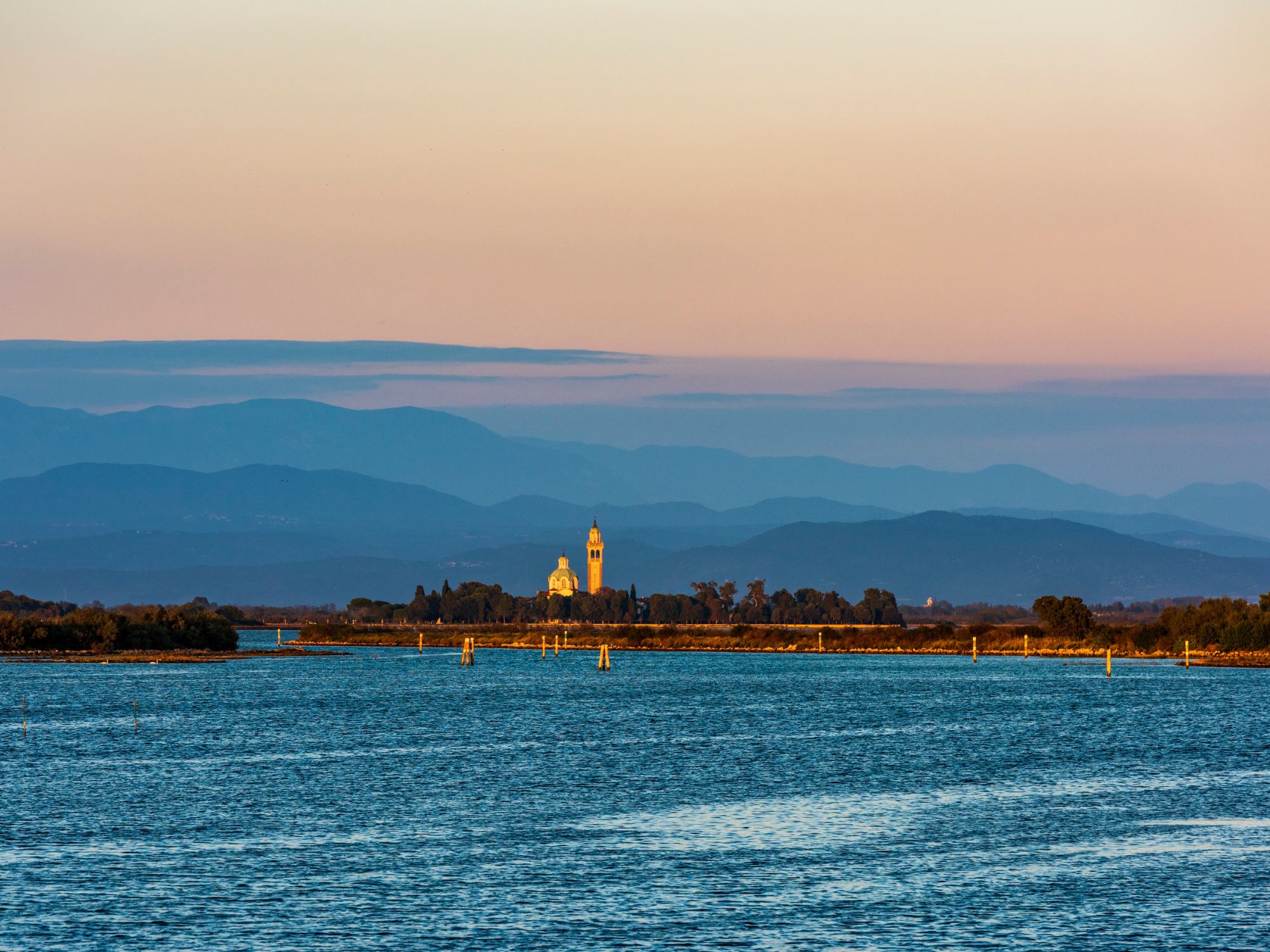
Marano lagoon excursions: discover nature and tradition
Have you ever imagined exploring a place where nature and history blend seamlessly, creating an unforgettable experience just a short distance from your holiday destination? The Marano Lagoon offers exactly this: a unique ecosystem where freshwater meets the Adriatic Sea, forming a protected haven rich in wildlife, traditional fishing settlements, and centuries-old culture. Located in the Friuli-Venezia Giulia region, this enchanting lagoon extends across thousands of hectares of waterways, islands, and marshlands, inviting you to discover its hidden treasures through boat excursions, canoe adventures, and guided tours.
Whether you’re traveling with family, seeking tranquility as a couple, or looking for an authentic experience that connects you with local traditions, Marano Lagoon excursions provide the perfect opportunity to enrich your stay in Bibione. From observing rare bird species to visiting ancient casoni and exploring protected nature reserves, every moment spent in this remarkable landscape will leave you with lasting memories of genuine beauty and peaceful wonder.
A natural paradise between land and sea
Imagine a landscape where rivers meet the sea, creating a mosaic of waterways, islands, and marshlands teeming with life. The Marano Lagoon stretches across approximately 16,000 hectares in the northernmost part of the Upper Adriatic, positioned between the mouth of the Tagliamento River and Porto Buso inlet. This vast ecosystem divides into two distinct zones: around 7,300 hectares of freshwater fed by resurgence rivers like Stella, Turgnano, Cormor, and Zellina, and roughly 8,800 hectares of more brackish waters where salt and fresh currents dance together. What makes this environment truly remarkable is the presence of nearly 2,400 hectares of emerged lands, composed of velme—flat areas covered in nutrient-rich mud—and barene, those fascinating zones that occasionally flood during high tide, never exceeding one meter in depth.
How did such a unique environment come to exist? Over millennia, the gradual rise of sea levels combined with continuous river deposits shaped this transitional ecosystem, creating the perfect conditions for an extraordinary variety of plant and animal species. The lagoon functions as a natural bridge between mainland and open sea, offering shelter and nourishment to countless organisms. Protected islands like Sant’Andrea and Martignano—the latter known locally as the Island of Shells—act as natural barriers, preserving the delicate balance within.
The region takes conservation seriously, having established two significant nature reserves. The Foci del fiume Stella Reserve covers 1,377 hectares and encompasses the entire delta of the Stella River, recognized internationally as a Ramsar Wetland site for its ecological importance. The Valle Canal Novo Reserve, though smaller at 121 hectares, offers visitors an intimate encounter with lagoon life through wooden walkways leading to observation points, an aquarium showcasing local species, and traditional casoni—the characteristic reed and wood structures once used by fishermen as temporary shelters. These protected areas not only safeguard biodiversity but also provide educational opportunities for those curious about how wetland ecosystems function and why they matter for our planet’s health.
What makes Marano Lagoon excursions so special
Have you ever wondered what it feels like to glide silently through narrow canals where herons stand motionless, waiting for their next meal? Marano Lagoon excursions offer precisely this kind of immersive experience, available through various means of exploration. Departing primarily from Marano Lagunare—and during warmer months also from Lignano Sabbiadoro—these adventures cater to different preferences and activity levels. You might choose a comfortable motorboat tour with an expert guide explaining the ecosystem’s intricacies, or perhaps you prefer the quiet rhythm of paddling a canoe or standing on a SUP board, moving at nature’s pace through the intricate network of waterways.
What will you encounter during these journeys? The lagoon reveals itself gradually, each turn presenting new discoveries. Traditional casoni appear along the banks, their thatched roofs and weathered wood telling stories of generations of fishermen who worked these waters. Some remain functional, while others have been preserved as cultural heritage sites. The famous Bilancia di Bepi—a traditional fixed fishing installation—demonstrates ancient techniques still appreciated today, showing how humans learned to work with tidal rhythms rather than against them.
Birdwatchers find themselves in paradise here, as the lagoon serves as a crucial stopover for migratory species traveling between Africa and Northern Europe. Depending on the season, you might spot elegant flamingos, various duck species, cormorants drying their wings on wooden posts, or the majestic white egret hunting in shallow waters. The vegetation itself tells a story of adaptation: salt-resistant plants like sea lavender and glasswort carpet the barene, while reeds and rushes create dense curtains along freshwater channels.
The Valle Canal Novo Reserve deserves special mention for its visitor-friendly infrastructure. Wooden walkways allow you to explore without disturbing the fragile ecosystem, leading to the Lagoon Aquarium where you can observe fish species, crustaceans, and mollusks native to these waters. Observation towers provide panoramic views that help you understand the lagoon’s geography and appreciate its vastness. Educational panels explain prehistoric settlements discovered in the area, connecting today’s landscape with human presence dating back thousands of years.
Where history meets nature: villages and traditions
Standing at the heart of this aquatic realm, Marano Lagunare represents much more than a departure point for excursions—it embodies centuries of maritime culture and adaptation to lagoon life. Known since the early Middle Ages as an important fishing port, this town developed a unique character shaped by Venetian influence. Walking through its historic center feels like stepping into a living museum where every corner reveals architectural details and urban planning strategies designed for water-bound existence.
The town’s layout follows the classic Venetian fortress pattern, with narrow calli—alleyways—adorned with flowers and maritime decorations leading to small squares where locals still gather. The Millenary Tower stands as a silent witness to centuries of tides and human endeavor, while the Church of San Martino houses a precious Venetian organ whose music once accompanied sailors preparing for voyages. The old fish market, known as Vecia Pescaria, built in the late 19th century, no longer hosts daily catches but has been transformed into an events space where the community celebrates its heritage through festivals and cultural gatherings.
For those interested in understanding how people lived and worked in this environment throughout history, the Archaeological Museum of the Lagoon provides fascinating insights. With over 500 artifacts on display, the collection spans from prehistoric times through the Roman period and beyond, illustrating how human communities adapted their lifestyles, fishing techniques, and building methods to the lagoon’s demands. You’ll see ancient fishing tools, pottery fragments, navigation instruments, and everyday objects that paint a vivid picture of maritime life across millennia.
The lagoon culture isn’t merely preserved in museums—it lives on in local traditions and crafts. Some families still practice traditional fishing methods, though now often combined with tourism activities, offering visitors the chance to experience a working day on the water. The construction and maintenance of casoni continues as both practical necessity and cultural preservation, with workshops occasionally open to those interested in learning these specialized carpentry techniques using natural materials.
Nearby Lignano Sabbiadoro and Aprilia Marittima complement the lagoon experience with their own characteristics, offering modern amenities while maintaining connections to the water. These communities demonstrate how coastal settlements can evolve without losing sight of their environmental context, balancing tourism development with ecological responsibility.
Planning your visit from Bibione
From Bibione, reaching the Marano Lagoon represents an easy yet rewarding day trip that adds remarkable variety to your beach holiday. The journey itself—approximately 40 kilometers northward along the coast—takes you through the changing landscapes of Friuli-Venezia Giulia, from sandy shores to the wetland ecosystem. Whether you choose to drive yourself or arrange organized transportation, the trip typically requires about 45 minutes, making it perfectly feasible for families with children or those preferring a relaxed pace.
When should you go? Each season offers distinct advantages. Spring brings migratory birds returning from southern wintering grounds, filling the air with calls and the waters with activity. Wildflowers bloom across the barene, painting the marshlands in yellows, purples, and whites. Summer provides the warmest weather and longest days, ideal for extended explorations, though you’ll share the experience with more visitors. Many excursion operators expand their schedules during these months, offering more frequent departures and varied tour options. Autumn presents perhaps the most dramatic birdwatching opportunities as species gather before migrating south, while the changing foliage adds golden and russet tones to the landscape. Even winter has its charm for hardy visitors, with crisp air providing exceptional visibility and the lagoon taking on a serene, almost meditative quality.
Most excursions last between two and four hours, depending on the route and activities included. Morning departures often provide the best wildlife viewing, as many species are most active during cooler hours. Afternoon tours offer different lighting conditions that photographers particularly appreciate, with the sun casting long shadows and warming the landscape’s colors. Some operators provide specialized experiences: photography-focused tours that position you for optimal shots, family-friendly adventures with educational components for children, or romantic sunset cruises for couples seeking tranquil moments together.
Booking in advance is recommended, especially during peak periods, as excursion boats have limited capacity to minimize environmental impact. Many operators provide multilingual guides who can explain the ecosystem, history, and traditions in your preferred language, enriching the experience beyond simple sightseeing.
Enriching your Bibione holiday with authentic experience
After a day immersed in the wild beauty of Marano Lagoon, returning to a welcoming place where comfort and genuine hospitality await makes all the difference. Hotel Astoria in Bibione serves as the perfect base for combining beach relaxation with cultural and natural explorations throughout the region. Our family-run establishment, managed by the Cecchinato family across three generations, understands exactly what travelers need: a comfortable room where you can rest properly, meals that satisfy without pretension, and staff who treat you like returning friends rather than anonymous guests.
The genuine warmth of a family-run hotel means we remember preferences, celebrate returning guests, and take pride in contributing to your vacation memories. When you return from discovering the Marano Lagoon’s natural wonders, we want you to feel you’re coming back to a place where you belong, even if just for a few days. This combination—adventurous days exploring Friuli-Venezia Giulia’s treasures and comfortable evenings in a welcoming environment—creates the balanced vacation experience many of our guests tell us they’ve been seeking. Discover how Hotel Astoria can enhance your next visit to Bibione and the surrounding natural wonders.