What to do in Concordia Sagittaria with kids: history & fun
Have you ever wondered where you can walk on ancient Roman roads while keeping your children entertained and engaged? Concordia Sagittaria offers exactly this rare combination. This small town near Bibione, nestled between Venice and the Friuli-Venezia Giulia border, sits atop the ancient Roman colony of Iulia Concordia. Here, history isn’t locked behind glass cases—it’s beneath your feet, visible in stunning mosaics, ancient bridges, and remarkably preserved archaeological sites.
What makes Concordia Sagittaria special for families is how accessible and tangible the past becomes. Your children can see chariot wheel marks carved into Roman stone, explore early Christian baptisteries with original frescoes, and discover thermal baths that Romans once used. Beyond the archaeological wonders, the town offers boat trips along peaceful waterways, educational workshops designed for young minds, and easy connections to beaches and nature parks. Whether you’re staying at a welcoming family hotel in nearby Bibione or exploring the Venetian countryside, Concordia Sagittaria deserves a prominent spot on your itinerary.
Ancient Roman treasures you can touch and explore
Imagine your children walking on the same stones where Roman chariots once rolled, their wheels carving grooves that remain visible today. In Concordia Sagittaria, history becomes tangible in ways that capture even the shortest attention spans. The main archaeological area beneath Piazza Costantini and the Cathedral reveals spectacular Roman mosaics that have survived centuries underground. Unlike many archaeological sites where everything sits behind barriers, here your family can observe intricate geometric patterns and colorful tesserae up close, making ancient craftsmanship real and comprehensible.
The Via Annia, one of Rome’s strategic roads connecting the empire, runs directly through the site. Those chariot wheel marks? They’re not replicas or artistic interpretations—they’re authentic grooves worn into stone by countless vehicles over centuries of use. Children find this detail fascinating because it transforms abstract history lessons into something they can see and almost feel. The martyrium from the fourth century adds another layer, preserving the memory of Christian martyrs in a structure that predates many European cities.
Just a short walk away, the Roman baths along Via delle Terme showcase how Romans approached daily life. Your kids can see the layout of thermal rooms, understand how heating systems worked, and imagine families much like yours enjoying social time in these communal spaces. The remaining sections of city walls demonstrate Roman engineering prowess—these weren’t decorative features but functional defenses that protected thousands of residents.
In Parco Signini, the Domus di Signini presents floor mosaics within what was once an elegant Roman home, while two preserved wells along Via dei Pozzi Romani show how residents accessed water. A boxwood hedge marks where the ancient theater once stood, helping children visualize entertainment venues without modern technology. The three-arched Roman bridge over the Reghena river remains partially intact, offering a perfect photo opportunity while explaining Roman construction techniques that allowed structures to endure millennia.
The early Christian heritage that fascinates young minds
What happens when you combine Byzantine architecture with Romanesque design and add original medieval frescoes? You get the extraordinary baptistery of Concordia Sagittaria, a building that stands alone in its category. This eleventh-century structure represents the only example of its kind with original painted decorations still preserved on its walls. The Greek cross floor plan creates a symmetrical space that children instinctively find appealing, while the luminous interior with its arches and ancient artwork tells stories without words.
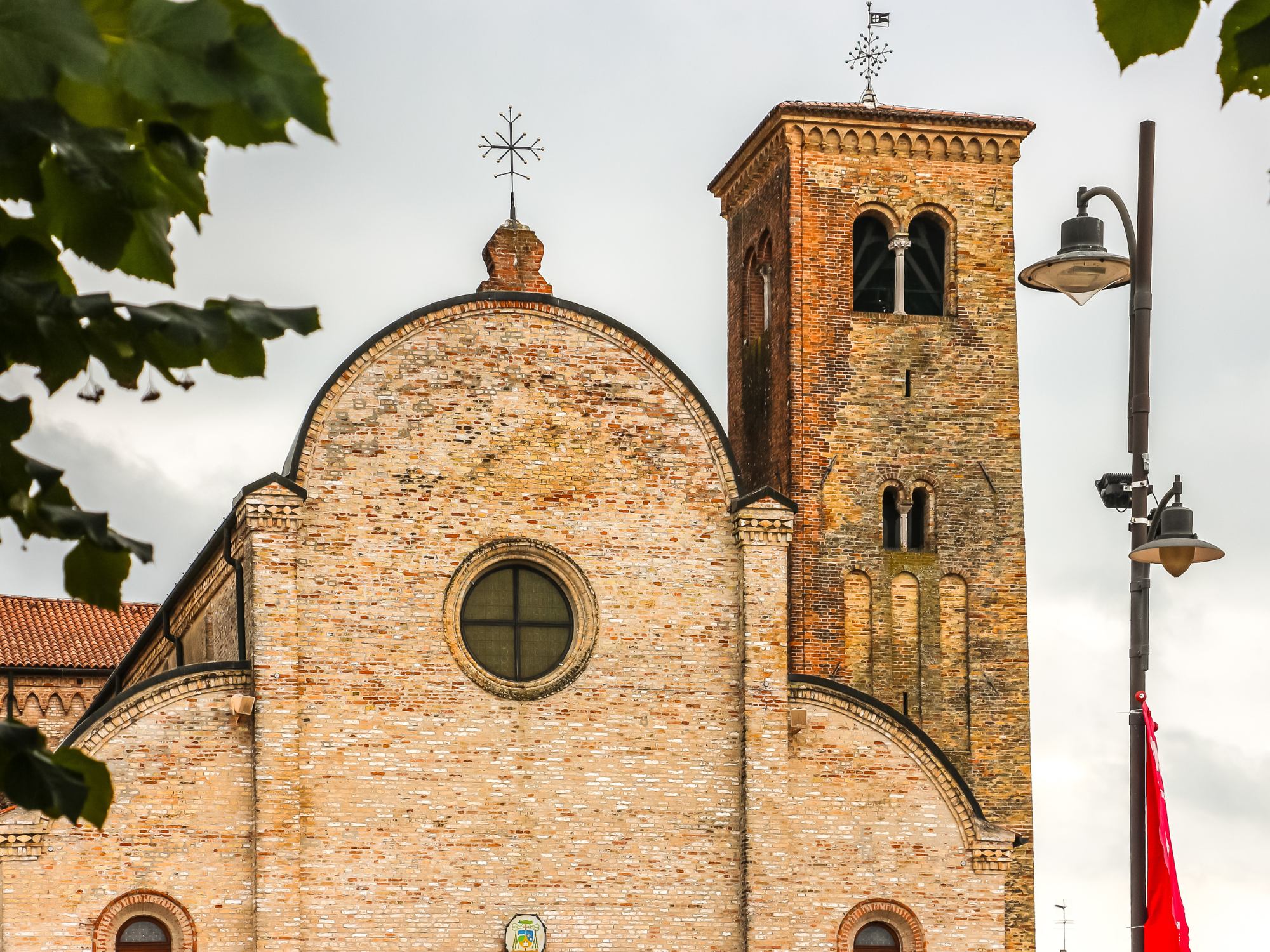
The baptistery sits adjacent to the Cathedral of Santo Stefano Protomartire, whose origins trace back to the fourth-century Basilica Apostolorum. This cathedral has witnessed invasions, floods, and reconstructions, yet continues to serve its community. The nineteenth-century facade draws inspiration from Venice’s San Zaccaria, creating a visual connection to the region’s broader heritage. Inside, the Chapel of Martyrs houses crypts and relics that connect present-day visitors to early Christian communities who practiced their faith during persecution.
Why does this matter for families? Because these aren’t sterile museum pieces—they’re living monuments where local residents still gather for worship and celebration. Your children can observe how buildings evolve while maintaining their core purpose across centuries. The cathedral’s stratification, visible in the archaeological area beneath it, shows layers from pre-Roman times through medieval periods, creating a timeline that’s far more engaging than any textbook illustration.
The Civic Museum, located behind the cathedral in the public library’s ground floor, complements these visits with artifacts recovered from paleochristian excavations. The “Rufino Turranio” association organizes guided visits and educational workshops specifically designed for younger visitors, transforming potentially dry archaeological content into interactive learning experiences. These programs help children understand how archaeologists work, what daily life looked like in ancient times, and why preserving heritage matters for future generations.
Family adventures beyond the archaeological sites
Does your family need a break from historical monuments? Concordia Sagittaria offers natural and recreational activities that balance cultural exploration with pure enjoyment. The pedestrian path starting from Via Claudia Augusta winds through Parco Signini, crosses the Roman bridge, and leads to the baptistery, creating an easy walking route suitable for small legs. Along the way, you’ll find the preserved section of Via Annia with clear signage from heritage authorities, turning a simple stroll into an educational treasure hunt.
The Lemene river and Litoranea Veneta waterway system open possibilities for boat excursions that children absolutely love. These guided trips navigate through canals and lagoons, passing traditional fishermen’s huts and observing local wildlife in their natural habitat. The landscape transitions gradually from inland waterways toward the coastal areas of Caorle and La Brussa nature reserve, offering ever-changing scenery that keeps young passengers engaged. Unlike passive sightseeing, these boat trips allow families to experience the Venetian countryside’s unique relationship between land and water.
Traditional events like the “Gara dee Batee” regatta showcase local culture through competitive rowing in historic boats. Even if your visit doesn’t coincide with major festivals, the town’s relaxed atmosphere along the riverbanks provides natural gathering spots. Fountains and cafes create rest points where parents can pause while children explore safely within view.
The location also serves as an excellent starting point for day trips to nearby attractions. Beaches at Eraclea and Jesolo offer classic seaside fun, while water parks like Aquasplash and Aquafollie provide adrenaline-pumping alternatives to historical sites. The Luna Park Adriatico brings traditional amusement park excitement, and golf facilities cater to families with sporting interests. Natural areas including the Caorle Lagoon present opportunities for birdwatching and ecological education, rounding out a vacation that balances culture, nature, and entertainment.
Practical tips for visiting with children
Planning makes the difference between a stressful outing and a memorable family experience. The main archaeological area requires purchased tickets that include monthly access to the Archaeological Museum Concordiese in nearby Portogruaro, effectively giving you two attractions for one price. This arrangement works perfectly if you’re staying in the area for an extended period, allowing you to split visits across different days when children’s energy and interest levels peak.
The baptistery typically remains open during regular hours, though checking the official website before your visit prevents disappointment. Most archaeological sites feature accessible pathways suitable for strollers, though the Roman bridge and some excavation areas involve uneven surfaces where carrying younger children might be necessary. The panoramic balcony overlooking the Paleochristian Basilica offers spectacular views without requiring extensive walking, perfect for families with varying mobility levels.
Timing your visit strategically improves the experience significantly. Morning hours, especially during warmer months, provide comfortable temperatures for outdoor exploration. The archaeological sites offer limited shade, so sun protection becomes essential—hats, sunscreen, and water bottles should be standard equipment. Many families find that combining a morning at the ruins with an afternoon boat trip or museum visit creates ideal pacing, preventing the fatigue that comes from too much walking or too much sitting.
The educational workshops organized by the “Rufino Turranio” association require advance booking but transform standard visits into interactive experiences. These programs use hands-on activities to explain archaeological concepts, making abstract ideas concrete for young learners. Guided tours that include traditional Venetian aperitifs cater to adult interests while maintaining child-friendly pacing and content.
Portogruaro, just minutes away, provides additional dining and shopping options if Concordia Sagittaria’s smaller selection doesn’t meet your needs. The proximity allows flexibility—you can easily return to your accommodation for rest breaks or meal times without losing significant sightseeing time.
Perfect base for your family stay near Bibione
Where you stay shapes your entire vacation experience, especially when traveling with children who thrive on routine and comfort. Concordia Sagittaria sits conveniently close to Bibione, a family-friendly resort town that combines beach access with the peaceful atmosphere parents appreciate. Choosing accommodation that understands family needs—spacious rooms, flexible meal times, child-appropriate menus, and welcoming attitudes toward the inevitable chaos children bring—transforms a trip from exhausting to rejuvenating.
Bibione’s central location allows easy access to Concordia Sagittaria’s historical treasures while keeping beach activities within walking distance. You’re not Look for hotels offering amenities that matter to families: swimming pools for days when beach crowds feel overwhelming, private beach access that eliminates the stress of finding space, international cuisine that accommodates various tastes and dietary needs, and perhaps most importantly, that intangible quality of genuine welcome. After days spent exploring Roman ruins, navigating boat trips, and keeping energetic children engaged, returning to a place that feels like a second home—where you’re greeted with warmth rather than formality—makes every aspect of your vacation better. Discover family-friendly hospitality in Bibione that transforms ordinary stays into memorable experiences you’ll want to repeat year after year.